The UK Parliamentary Office of Science and Technology (POST) has published a new briefing examining the development and use of emerging technologies as alternatives to animals in life sciences research. The report, Technology alternatives to animals in life sciences research (POSTnote 756), provides Parliament with an evidence-based overview of how different experimental models can best be used to advance biomedical discovery and the development of new therapies.
The publication includes expert contributions from leaders of two major UK research infrastructures: the Mary Lyon Centre, represented by its Director Sara Wells, and the MRC National Mouse Genetics Network, represented by Cancer Cluster Lead Karen Blyth from the Cancer Research UK Scotland Institute. Their involvement reflects the shared commitment of both organisations to promoting the most effective and scientifically appropriate models for preclinical and clinical research.
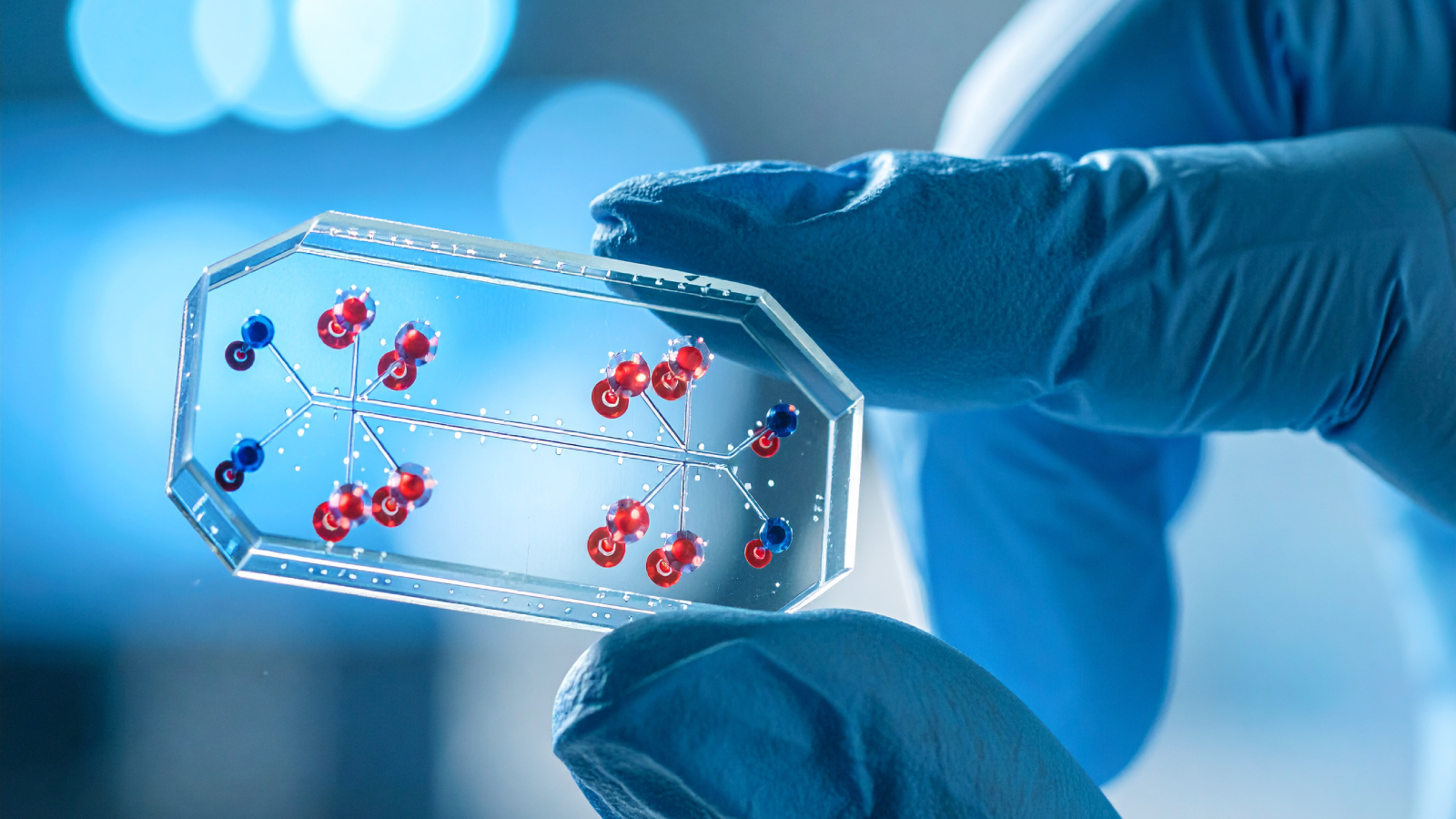
POSTnote 756 explores the scientific readiness, validation and regulatory acceptance of a range of “human-specific” technologies, including organoids, organs-on-chips, in vitro systems and computational approaches. These methods are increasingly important for improving human relevance and reducing animal use in line with the principles of replacement, reduction and refinement (the 3Rs). However, the report also highlights that many complex biological questions—such as whole-body interactions, disease progression and treatment response—still require well-characterised animal models.
Contributions from the Mary Lyon Centre and the National Mouse Genetics Network underline the importance of selecting research models based on scientific need rather than viewing animal and non-animal approaches as mutually exclusive. Animal models remain essential for understanding disease mechanisms, validating therapeutic targets and interpreting systemic effects, while newer technologies can complement these studies by refining experimental design and improving translational insight.
Sara Wells said:
“This report recognises that advancing biomedical research depends on using the right model for the right question. At the Mary Lyon Centre, we work closely with researchers to ensure that robust mouse models are used alongside emerging human-relevant technologies to generate high-quality, translatable data.”
As a national hub for mouse genetics, the Mary Lyon Centre provides critical infrastructure, expertise and training that enable researchers to deploy mouse models responsibly and effectively. Its contribution to the POST briefing reflects its wider role in supporting innovation while maintaining scientific rigour and ethical standards.
The MRC National Mouse Genetics Network, meanwhile, coordinates expertise across disease-focused clusters to maximise the impact of mouse genetics for human health. In areas such as cancer research, integrated use of animal models and alternative systems is central to understanding tumour biology and therapeutic response.
Karen Blyth said:
“The National Mouse Genetics Network brings together complementary expertise across the UK to ensure that mouse models are used where they add the greatest value, and combined with emerging technologies where appropriate. This balanced approach is essential for accelerating progress from discovery to the clinic.”
The POST report aligns with the UK Government’s 2025 strategy for replacing animals in science, which supports the development and uptake of alternatives while recognising the continued need for animal research where validated substitutes are not yet available. By contributing their expertise, both the Mary Lyon Centre and the National Mouse Genetics Network are helping to ensure that policy discussions are informed by real-world research practice.
Their engagement reinforces their shared leadership role in promoting evidence-based, integrated research models that advance understanding of human disease and support the development of safe and effective new therapies.